Battery Energy Storage System Evaluation Method
Evaluate Efficiency and Demonstrated Capacity of the BESS sub-system using the new method of this report. Compare actual realized Utility Energy Consumption (kWh/year) and Cost ($/year) with Utility

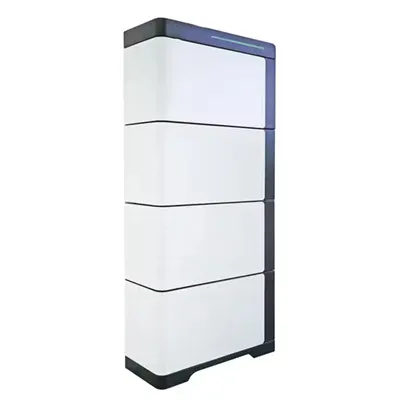
Evaluate Efficiency and Demonstrated Capacity of the BESS sub-system using the new method of this report. Compare actual realized Utility Energy Consumption (kWh/year) and Cost ($/year) with Utility

Lacking industry standards at this time for Energy Storage Systems, the functionalities need to be verified through extensive detailed review of the operating manuals and often inquiries with the

(DoD) The amount of energy that has been removed from a device as a percentage of the total energy capacity
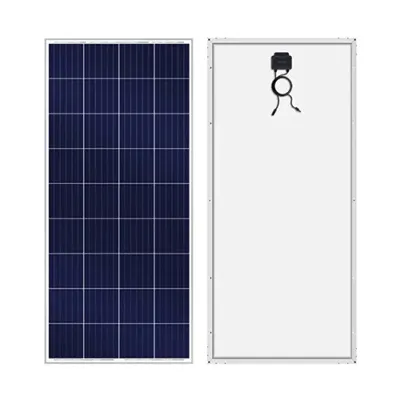
ESS can reduce consumers'' overall electricity costs by storing energy during off-peak periods when electricity prices are low for later use when the electricity prices are high during the peak periods.
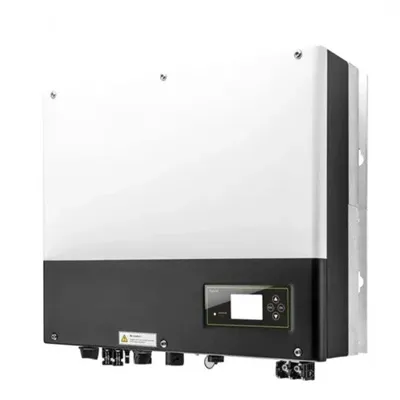
Imagine trying to assemble IKEA furniture without the step-by-step diagram - that''s essentially what working with energy storage systems (ESS) feels like without a proper level division chart.
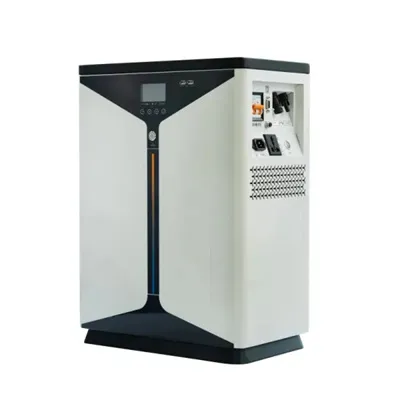
Formulation of comprehensive National Energy Storage Policy and necessary guidelines to guide the development and deployment of Energy storage systems in India.

The division into classes A, B, C, D (Tab. 2/6), for example, applies to the systems used for building automa- tion and control (BAC) and technical building management (TBM).

Global installed energy storage capacity by scenario, 2023 and 2030 - Chart and data by the International Energy Agency.
ompare different energy storage technologies. This parameter relates the storage capacity to the size or the mass of the system, essentially showing how much energy (Wh) can be stored per unit cell, unit

Energy storage system (ESS) has been expected to be a viable solution which can provide diverse benefits to different power system stakeholders, including generation side,
La versión PDF incluye el artículo completo con referencias. Adecuado para impresión y lectura sin conexión.